A leaking watering system can turn a yard right into a bog, wash out mulch beds, and double a water costs prior to any individual notifications. Fortunately: most sprinkler leakages provide you a small window to quit the blood loss with fast, safe solutions that hold until you can set up a proper fixing. I have actually stopped water flowing down driveways at twelve o'clock at night with nothing more than a valve key, a set of channel locks, and a handful of parts that fit in a handwear cover box. The trick is to act carefully, not frantically.
This guide concentrates on functional actions, the kind you can accomplish in real weather condition, on wet ground, with incomplete devices. It additionally describes what is simply a stopgap and why, so you can intend a solid follow-up. Whether your system featured your house or you took care of the lawn sprinkler installment yourself, you will certainly be a lot more efficient if you recognize how the elements behave under pressure and where leakages like to start.
First concerns: stop the water and keep individuals safe
With lawn sprinklers, the resource of water is not constantly noticeable. Numerous domestic systems connect right into the domestic line prior to the house shutoff, often after the meter with a committed curb quit. Industrial installations typically have a dedicated major with a securing valve box. In winter climates, a backflow preventer rests above quality and ends up being the weak link throughout a freeze. Each of these scenarios has a fast method to separate water, if you know where to look.
If your leakage is strenuous sufficient to relocate soil, do not let water run while you think. Disintegration under walkways and driveways can create gaps that collapse later on. I have actually seen a three-inch mainline rinse sufficient dirt in 20 minutes to go down a paver by an inch. Water and power share trenches by requirement around controllers and valves, so treat any swamped valve box with respect.
Here is a straightforward regulation that has saved me time: if you can listen to water hissing when the controller is off, presume a mainline or shutoff body leak. If you only see water when a zone runs, presume a lateral line, a riser, or a lawn sprinkler head.
Quick shutoff list you can use in the field
- Locate the irrigation shutoff initially, not your house valve. Examine the valve box near the meter for a specialized aesthetic stop or round shutoff labeled irrigation. If the irrigation shutoff is missing out on or stuck, shut your home major and open a hose pipe bib to hemorrhage stress. Go back to the system later on to include a correct seclusion valve. For systems with a heartburn preventer, close both backflow shutoffs, upstream initially, after that downstream. Transform handles a quarter transform to go from parallel to perpendicular with the pipe. If a solitary zone is leaking with a stuck shutoff, established the controller to guidebook and run that zone, after that cancel to reseat the diaphragm, or make use of the valve's bleed screw to eliminate stress and shut it manually. In a pinch, crimp poly tubes with locking pliers padded by rubber and tape. It is crude, however it purchases minutes to dig safely.
These steps cover 80 percent of emergencies, especially if you do not recognize the system layout yet. When the circulation is managed, you can take a breath and pick the ideal fix.
Find the leakage without tearing up the yard
Start with what the water is informing you. Standing water around a solitary head typically indicates a damaged head, a split riser, or debris in a check valve. A consistent pool around a shutoff box suggests a diaphragm leakage or a fractured body. A brand-new springtime gurgling up in the grass without any area running suggests a mainline break or a side pressurized by a stuck valve.
I like to evaluate zones one by one, even if every little thing seems saturated. Utilize the controller's manual setting to run a presumed area for 30 to 60 seconds. If you do not rely on the controller, open the valve manually by transforming the solenoid a quarter transform counterclockwise. See the local head as pressure arrives. A head that struggles to stand out while another hot springs 5 feet away is aiming right at your problem.
Soil kind aids you review the indicators. Sandy loam shows its cards early, with visible bubbling and fast anxieties. Clay holds water and requires it along origins and trenches, developing wet spots several feet far from the break. If the yard inclines, water will certainly take a trip downhill along pipeline passages and arise at nadirs, so do not assume the wettest spot is the beginning. Probe gently with a screwdriver to discover the softest point, then dig there.
Triage fixes you can do in minutes
You can not constantly take out primer and concrete when the line is under water or the temperature is near cold. Occasionally you require a spot that installs wet and keeps the soil from breaking down. Various other times, a clean solvent weld is sensible with a little patience. The very best emergency repairs match the product and the pressure on the pipeline, then regard treatment times before re-pressurizing.
Head and riser leaks: the fastest wins
A broken sprinkler head is the friendliest emergency situation you will certainly satisfy. If the top broken off and you have a fountain, loosen the remains by hand or with pliers and string in a cap or a brand-new head. When you can not set up a new head as soon as possible, a threaded plug or a short-term cap on the riser stops the flow and conserves the zone. For amusing pipeline, push on a barbed plug and clamp it. For inflexible risers, utilize a threaded cap with thread sealant. Hand-tight plus a quarter turn is enough to seal while you resource the correct head and nozzle later.
If the head itself looks fine yet water seeps around it continuously, dig a cool donut around the head to the lateral. Clear mud off the installations. Check the swing joint or funny pipeline for a split. Change the short adaptable area with a brand-new preassembled swing joint, or cut the damaged part and get in touch with a barbed coupler and 2 clamps. Buried heads that sit below quality typically gather grit that chew out inner seals. If the head will certainly not close completely, switch the inner assembly or the whole head. Keep the old nozzle if sprinkler installation available near me it is matched precipitation you wish to preserve.
Risers crack where they string into tees. If you quit seeing bubbles ahead and you listen to gurgling underground, back the riser out and inspect the threads. Replace fragile PVC risers with swing joints that endure mower strikes and freeze heave.
Lateral line divides: compression, push-to-repair, or a glued splice
For small size PVC laterals, a two-piece compression repair coupling can be a lifesaver in mud. It installs wet, requires no primer, and endures a little bit of misalignment. Clean the revealed pipe as finest you can, removed the split area, deburr completions, slide on the coupling fifty percents, and tighten up evenly. This is not a forever solution, but I have seen them last several periods without a drip when mounted straight.
Push-to-repair couplings are one more time-saver. They grasp the pipe with stainless teeth and seal with O-rings. They additionally install damp, which is best after storms. Measure the insertion deepness, note the pipeline, press till the mark vanishes, after that pull to confirm the bite. Utilize them on time 40 PVC laterals approximately the rated diameter, and verify UV resistance if any type of section will certainly rest exposed for a day or 2 before backfill.
When problems are dry enough for a solvent weld, a slip coupling and primer-cement splice offers the most trusted seal. I lug medium-bodied concrete that sets in concerning 5 minutes in cozy climate. Nevertheless, I prevent repressurizing for 15 to 30 minutes for 1 inch and smaller, and for approximately an hour if the air is cool or the pipe perspires. Rushing the remedy invites a pinhole that will certainly haunt you whenever that area starts.
Polyethylene laterals take barbed insert combinings with clamps. Use two stainless clamps per side, balanced out by 180 degrees, on clean pipe. If the split is near a head, take into consideration eliminating a short section back to sound pipeline and adding a brand-new swing joint to maintain tension off the repair.
Mainline and shutoff box trouble: isolate and stabilize
Mainlines see constant pressure. A pinhole sprays even when the system is still, which is why water maintains showing up in the very same place on a completely dry day. If the break comes, a slip repair telescoping combining can connect it quickly. I use these moderately because they include one more set of O-rings to a line that never ever rests, however, for emergency situations they succeed. Deburr your cuts and keep positioning straight to safeguard the seals.
Valve body leaks prevail after freeze occasions or when particles chews a diaphragm. If you see water climbing in a valve box with all areas off, feel around the hood for warmth or vibration. Close the area off at the seclusion shutoff if you have one. If the hood screws are loose, tight them cross-pattern, quarter-turn at a time. Often that seats the diaphragm sufficient to buy a day. If the solenoid weeps at the strings, eliminate it, inspect the O-ring, and re-seat with a light smear of silicone oil. For jar-top valves, hand-tight must be all you need. Over-tightening can warp the hood and worsen the leak.
When a shutoff will not close due to the fact that grit holds the diaphragm open, utilize the guidebook hemorrhage to purge for a few seconds, after that close firmly. Cycling the controller can do the same. If the shutoff maintains ghost operating, change the diaphragm and spring as soon as the area is secure and completely dry, or cap that zone as a short-lived measure.
Backflow preventers: shield the water supply first
Backflow settings up protect alcohol consumption water. Do not bypass them. If an above-ground assembly fractures, separate it at its very own shutoffs, after that at the curb or meter if the split sits in between the upstream shutoff and the street. Leakages here can be remarkable. I maintain a spare round shutoff deal with, a roll of rubber sheet, and 2 hose pipe clamps for emergency situations. Covered and clamped rubber around a hairline on a copper run, between shutoff bodies, can reduce the flow sufficient to stop dirt loss while you wait on a licensed repair.
In freezing environments, shield or drain these settings up before difficult frost. In a pinch, a service provider trash bag, a towel, and tape can secure an unit over night if a breeze freeze shocks you, however that is a last resource. Plan an irreversible solution.
Fast fixes by problem type
- Broken sprinkler head gushing: unscrew the remains, string on a short-lived cap or replacement head, hand-tight plus a quarter turn. Split amusing pipe near a head: eliminated 2 to 3 inches, set up a barbed insert coupling with two clamps per side, bury with head set at grade. PVC side pinhole: push-to-repair combining set up damp, mark insertion depth, tug to verify, backfill gently, final repair work later on with solvent weld if preferred. Stuck-open zone valve: run zone from controller then terminate to reseat, or close by hand at the valve making use of the bleed screw; if still dripping, replace diaphragm when safe. Hairline fracture at valve bonnet: cross-tighten hood screws carefully to re-seat diaphragm, expect o-ring weep at solenoid, grease and re-seat if needed.
These are bandages that hold surprisingly well. I have actually gone back to sites months later and discovered compression couplings bone completely dry. Nevertheless, treat every emergency spot as a to-do product for appropriate sprinkler repair once the ground dries and you can inspect for origin causes.
Testing without making a brand-new mess
After any kind of repair, resist the urge to bang stress back on. Open isolation valves gradually. If the system has a master shutoff, shut it and fracture a single zone, after that reestablish pressure while someone views the repair service. Hemorrhage air from the greatest directly the zone to soften water hammer. If you own a pressure gauge with a yard tube adapter, hook it to a tube bib on the system side of the heartburn and validate static pressure prior to running an area. Anything over 80 psi is entitled to a regulatory authority and can punish temporary repairs.
Run the affected zone for 2 to 3 mins. Seek seeping at clamps and couplings. Inspect surrounding valve boxes, due to the fact that water journeys. If you installed a brand-new head, suit nozzle circulation to the area's precipitation rate to prevent vulnerable points. Mark the area with a little flag so you can re-check after the next scheduled run.
What to maintain in a tiny emergency situation kit
A glove box kit beats wishful reasoning. Mine suits a lunchbox and has aided on loads of jobs without a return journey to the shop. It includes a multi-bit screwdriver, small and huge network locks, a hacksaw blade with a wrap handle, a PVC cutter, Teflon tape, silicone grease, purple guide and medium-body cement, a couple of threaded caps and plugs for half-inch and three-quarter-inch, barbed insert combinings and clamps for three-quarter-inch poly, one compression fixing combining for three-quarter-inch PVC, a push-to-repair complete slip combining, 2 swing joints, one universal spray head body with a variable arc nozzle, a roll of rubber sheet, stainless hose pipe clamps in 2 sizes, a flashlight, and nitrile gloves. If you handle regular sprinkler upkeep, add extra diaphragms for the valve versions you solution most.
These parts will certainly not rebuild a manifold, yet they will certainly quit water and get you time.
Why leakages occur, and just how to maintain them rare
Emergencies often trace back to slow down choices, not abrupt catastrophes. Heads established listed below quality gather debris and damage regularly. Valves mounted without unions come to be a nightmare when a hood strings take. Laterals trenched superficial near driveways obtain crushed by cars and trucks edging off sidewalk. Equipments without pressure regulation blow off heads after a local pressure bump. The listing is long, yet patterns repeat.
Build avoidance right into regular sprinkler upkeep. Set heads to complete quality or a little above, not hidden. Use matched precipitation nozzles so areas do not endure low and high pressure extremes. Set up unions or real fixing combinings at valves to make service fast. Tag shutoff boxes with area numbers and keep a laminated sketch in the controller closet. Include a stress regulator if your static stress sits over 70 psi, and a filter if well water brings grit. If cold is a threat, winterize completely, not half steps. Blow out with dry air at 50 to 60 psi for domestic laterals, area by area, and leave backflow examination cocks open to drain pipes. These steps cost less than the water shed to one hidden leak.
When a momentary fix suffices, and when it is not
Not all patches are equal. A compression coupling on a low-pressure side buried under lawn might be great up until a scheduled upgrade in springtime. A push-to-repair on a mainline that rests under a driveway apron is asking for a callback. Use judgment.
Consider these factors:
- Pressure and task cycle. Mainlines gain irreversible remedies. Laterals can tolerate a short-lived part for a period if it stays dry under test. Soil activity. Extensive clay pushes and pulls; flexible repair services carry out better there than weak splices. Accessibility. If you already have a trench open and parts in hand, weld the joint and be finished with it. Code and liability. Anything upstream of the heartburn or touching the assembly is worthy of code-compliant repair service and, in many jurisdictions, an accredited tech.
I as soon as set up a compression fixing coupling on a Saturday mid-day side split behind a school. It passed a 10-minute run dry. We scheduled a solvent-weld substitute on Monday. Monday brought a thunderstorm that loaded the trench. The compression component maintained the turf from drifting for 3 days until we might re-open the website. That combining spent for itself in prevented damage.
Costs, time, and reasonable expectations
People ask how much and the length of time. For a busted head and riser, anticipate 10 to 20 minutes if the soil works together, plus the cost of a head, usually 5 to 15 bucks for a typical spray, a lot more for blades. A barbed combining repair work on poly takes 15 to half an hour including excavating and backfill, with a few dollars in parts. A PVC lateral splice with primer and concrete might run 30 to 60 mins as a result of remedy time and cleanup, even when the joint itself is simple. Valve diaphragm substitutes vary by design, yet strategy 30 to 45 mins if bolts are kind and boxes are tidy. Backflow fixings and mainline breaks swing broader, from an hour to several, with parts and, in the case of backflow settings up, perhaps a licensed examination afterward.
If you bring in a professional for emergency situation lawn sprinkler repair, travel and after-hours rates apply. In my area, an emergency situation phone call runs 150 to 300 bucks to turn up, after that conventional hourly and parts. Ask for pictures and quick notes. Great service providers deliver both without prompting.
After the spot: document, schedule, and stabilize the system
Write down what you did. A picture of the open trench and the fitting you made use of helps later when you can not keep in mind which zone had the fast combining. Tag shutoff boxes or leave a tinted zip tie near short-term repair services. After that arrange the long-term work. You will certainly neglect when the yard looks completely dry again.
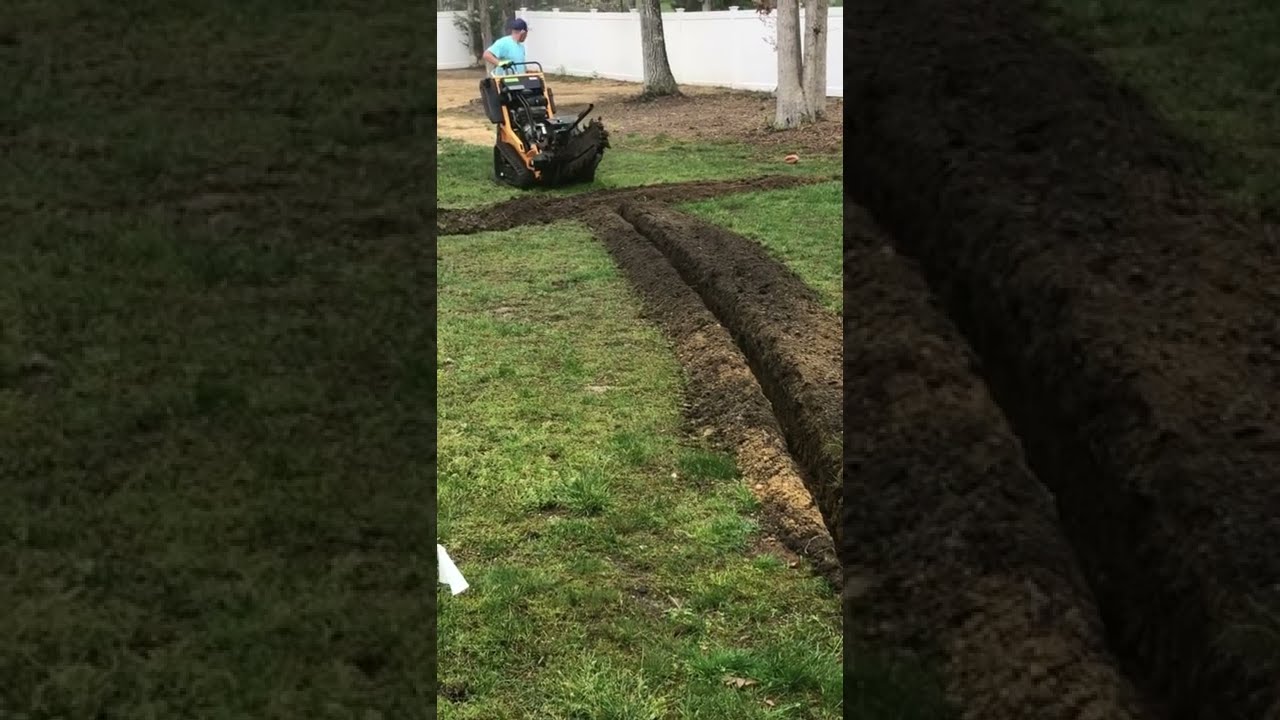
Use the downtime to examine equilibrium. Lots of emergencies disclose an underlying design mismatch. If one zone stands out heads like sparkling wine when an additional hardly throws spray, you may be mixing high-flow rotors with low-flow spray directly the same shutoff, or running beyond the secure gallons per minute. A quick headcount and nozzle tally provides you a number you can contrast to the valve's flow ranking. While you go to it, inspect the controller program. Startle heavy-use zones, add a saturate cycle for clay, and readjust run times seasonally. Good shows lowers start-stop stress spikes that manipulate weak seals.
Smart attachments that prevent the following emergency
A circulation sensing unit linked to a qualified controller will certainly catch a blown lateral in under a minute. The controller can shut down a zone, alert your phone, and keep the rest of the landscape sprinkled. Pressure-regulating heads bring every electrical outlet in an area to the exact same target stress, which cuts misting and reduces anxiety on installations. A master shutoff that shuts when the controller sleeps prevents 2 a.m. Heartburn drips from coming to be 6 a.m. Swamps. None of these get rid of the need for hands-on lawn sprinkler maintenance, however they tighten the window where tiny failings end up being large ones.
If you are preparing brand-new lawn sprinkler installation for a remodel, cook avoidance right into the layout. Usage dedicated isolation shutoffs for groups of zones, spec union installations at shutoffs, choose swing joints at every head near web traffic, established the heartburn where you can service it without a ladder, and map the system. A mindful set up pays rewards in every future repair.
A note on climate and functioning conditions
Emergency repair work do not wait for ideal problems. If you work in the rain, maintain mud out of solvent welds, even if that means developing a little dam with turf and a plastic scrap. Put on handwear covers when the water is frigid; numb fingers make poor cuts. In warm, give primer and cement a little added respect, due to the fact that they flash faster. When lightning remains in the location, do not dominate a wet shutoff box with metal tools, also if the water is increasing. There is constantly a much safer following action, like shutting an aesthetic quit with a fiberglass vital and returning when the storm passes.
The attitude that maintains landscapes intact
Treat emergency job as controlled triage. Quit flow securely, stabilize the system with a repair that fits the product and stress, validate under examination, and routine an appropriate follow-up. Keep a tiny kit ready. Find out where your shutoffs live. Small habits like identifying valve boxes, matching nozzles, and checking stress make the difference in between a minor spot and a string of hurried visits.
The most gratifying solution phone call I make is the one where a property owner meets me in a dry yard, reveals me a flagged place where they topped a damaged head themselves, and requests for referrals on protecting against repeats. That is a partnership that shields the landscape, the water expense, and the sanity of every person involved.